
SOIL MANAGEMENT
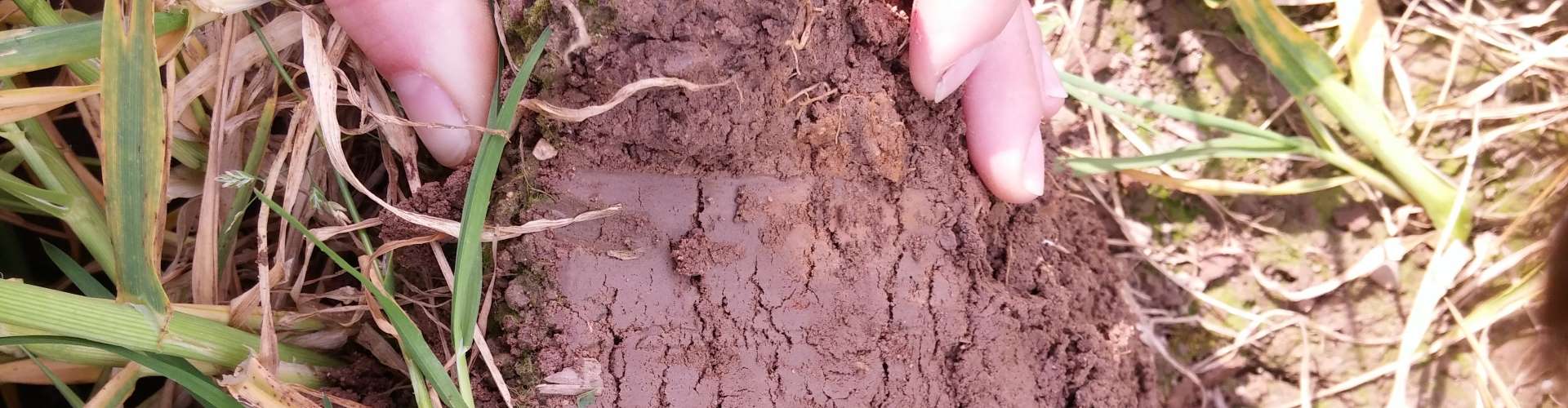
Soil Erosion/Run Off
Tactical methods and techniques employed to reduce risk of soil erosion and run off by water and wind including:
- Analysis of soil texture and structure
- Risk assessment
- Tactical ways to prevent and minimise soil erosion/run off and remedial action
- Considerations relating to soil erosion from cropping practices, cultivation, livestock, bare soil and wind blow
- Crop rotation
- Principles and effects on soil of cultivation strategies from no-till to full inversion ploughing
- Field drainage systems and soil compaction remedies
- Countryside stewardship options available to assist with prevention of this
- Soil related ‘Cross Compliance’ issues
- Soil Management Plans
Water Protection
Protection of water and maintenance of water quality. Considerations regarding land management and water quality to minimise point source and diffuse water pollution.
- Pesticide and stewardship schemes, e.g., ‘Get Pelletwise’ for metaldehyde-based slug pellets
- Voluntary Initiative and Think H2OK?
- Advice concerning on-farm implementation of Water Framework Directive
- Spraying: Filling/cleaning and application to minimise point source pollution
- Aquatic buffer zones and label legislation
- LERAPs, Interim Scheme and Drift Reducing Technology Scheme
Good Agricultural and Environment Conditions (GAECs)
- Providing Minimum Level of Soil Cover (GAEC 4)
- Minimising Soil Erosion (GAEC 5)
- Maintaining Level of Soil Organic Matter (GAEC 6)
SEED
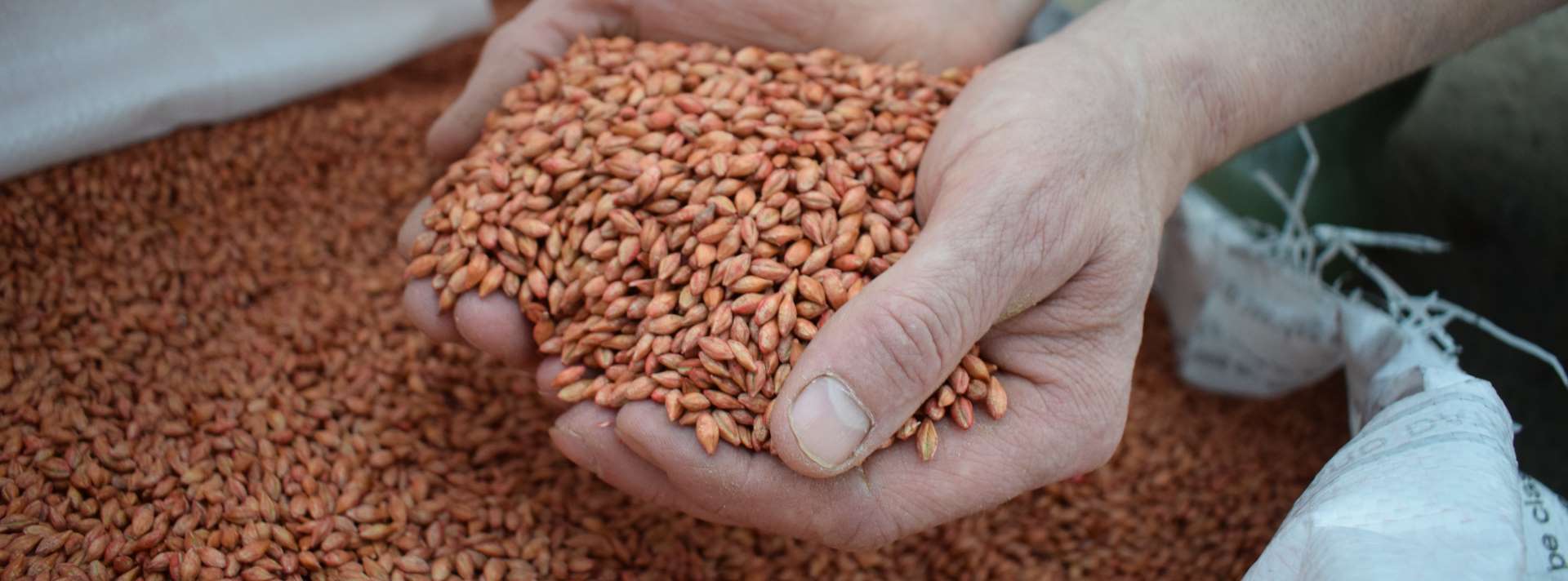
Crop Rotation
- Varietal selection
- Varietal diversification, minimising impact of rusts
- Maturity ratings
- Yield and straw considerations
Crops
Winter/Spring:
- Wheat
- Barley
- Oats
- Forage Rye
- Triticale
Forage maize:
- Breeders include: KWS, Poineer, LG and many more
- Dry matter/Starch values
- Marginal/(less) favourable sites technical data
- Oil Seed Rape
- Potatoes
- Fodder beet
- Peas/beans
- Swedes/turnips
- Fodder/catch crops: Stubble turnips, rape/kale crosses
- Lucerne
- Grassland: perennial ryes, clover, chicory, lupins
ARABLE
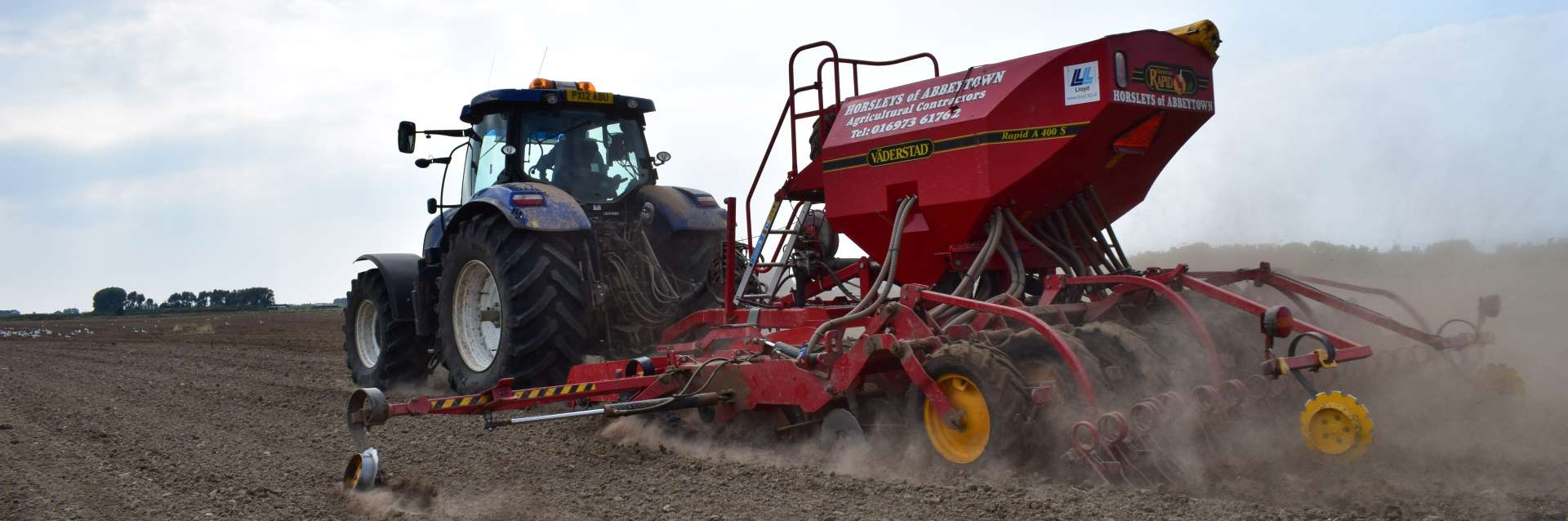
Crop Protection
- Integrated Crop Management (ICM)/ Integrated Pest Management (IPM) Plans
- Weeds
- Pests: Knowledge of life cycles and breaking this to control specific pests
- Disease biology
- Crop Walking:
- Identification of problems
- Crop spray prescriptions with critical timings
- Industry monitor alerts and forecast tools for disease/pests
- Control and management of grass weeds and broad-leaved weeds in crops
- Herbicide/fungicide resistance management strategies
- Plant growth regulation
- Trace elements and micro nutrition
Pesticide Application, Transport and Storage
- COSSH risk assessments
- Advice on pesticide stores on farm
- Sprayer filling areas, e.g. lined bio beds
- Application equipment and nozzle selection/low drift technology
- Spray quality
- Sprayer calibration
- Limits of accuracy
- Decontamination of pesticide containers
Fertiliser
- Fertiliser requirement worked out from crop demand to optimise inputs
- Organic manure availability calculations
GRASSLAND MANAGEMENT
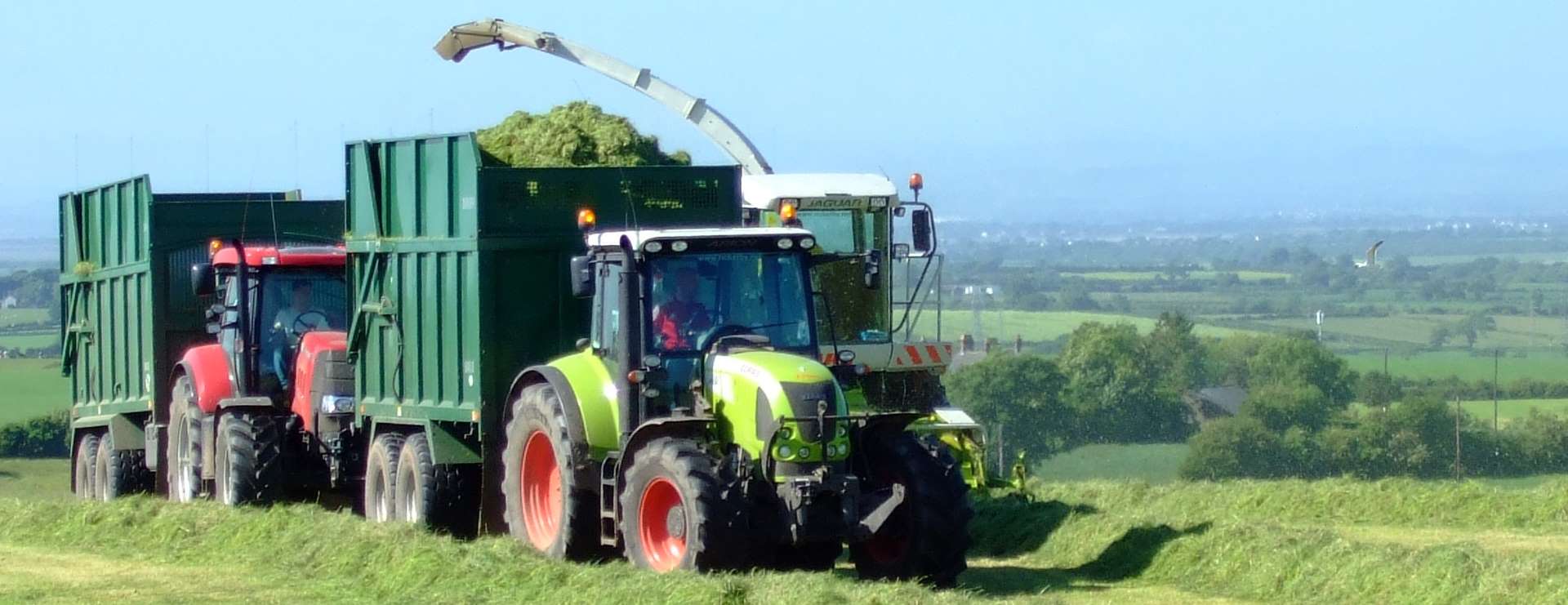
Sward Species
Tailored to each individual enterprise requirements be it diary, beef, sheep or any combination thereof.
Species to consider:
- Italian rye/ Westerwolds
- Hybrid ryes (Italian/perennial ryegrass cross)
- Perennial ryegrasses
- Timothy
- Festuloliums
- Red/white clovers
- Chicory
- Lucerne
Fodder/brassica crops:
- Stubble turnips
- Swedes/turnips
- Rape/kale crosses
Other factors:
- Duration of ley- short, medium or long
- Heading dates designed for various silaging times
- Ratio of tetraploid/diploid perennial ryegrasses in sward
- D values and sugar content
- Extended grazing options
- Multi-cut silage
- Dense palatable aftermath grazing
- Intensive grazing, mixes to suit prolonged traffic
- Renovation mixes
Sward Management
- Re-seeding advice and techniques
- Sward renovation
- Optimal seed bed conditions
- Pest control
- Target pH levels
- Soil structure management
- Sward lifting options and conditions required during this procedure
- Clover management
- Rotational grazing
- Ground cover and persistency and advice on how to maintain
- Dense and versatile sward options
- Vigorous spring growth
- Dual purpose cut and grazing mixes
- Brassica break crops
NUTRIENT MANAGEMENT PLANNING
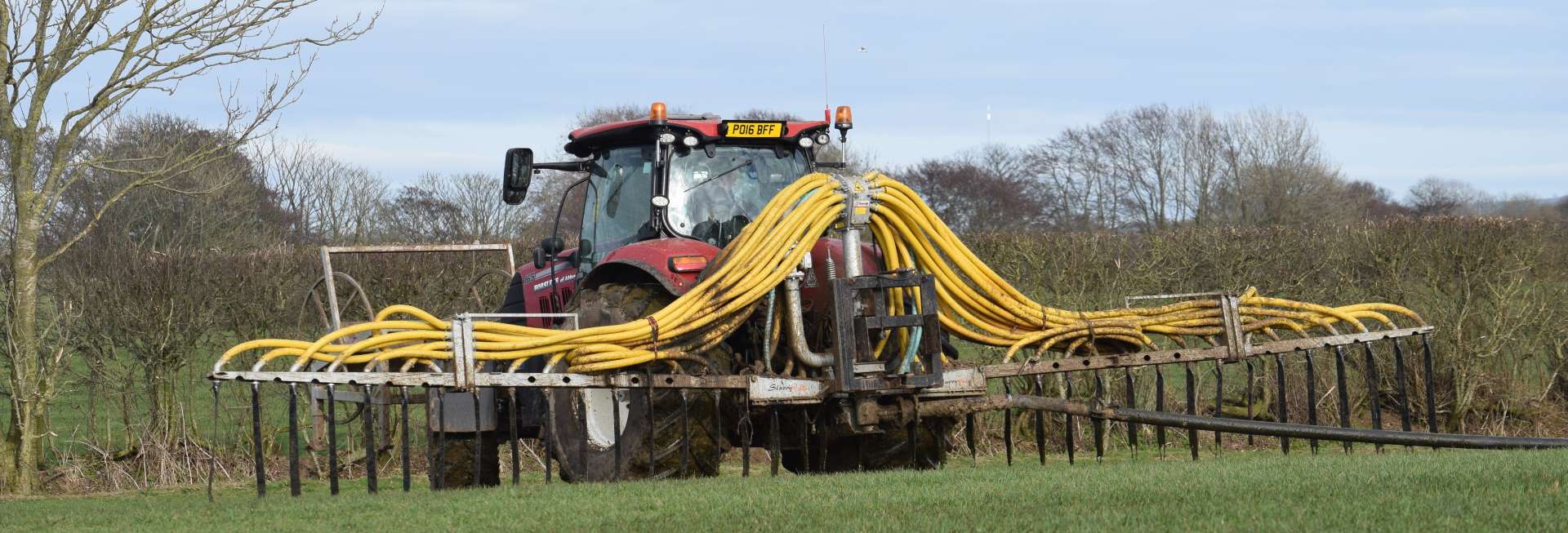
Achieving Crop Nitrogen Utilisation Efficiency
- Matching inputs with crop requirements
- Interaction of Nitrogen (N) with other nutrients, eg Phosphors (P), Potassium (K) and Sulphur (S)
- Canopy management: Green Area Index manipulation, plant growth regulation
- Nmax calculations
- Soil nutrient balance and soil nitrogen supply (SNS)
Nitrogen Vulnerable Zones (NVZs)
- N farm limits (holding limit)
- Field limits
- Nmax
- Closed spreading periods
- Storage periods and conditions
- Livestock manures and slurry nutrient availability
- Digestate application
- Liming
Managing Farm Phosphorus
- Phosphorus (P) inputs and crop requirements
- P and water quality
- Farm P balance calculations
Soil Sampling / Precision Farming
- Advice on how to get the most of your data on soil analysis
- Yield monitoring/mapping
- Soil conductivity
- Interpolation
- Remote sensing: passive/active
- Variable rate fertiliser
- Controlled traffic farming
Efficient Use of Manures and Other Organic Inputs
- Effect of soil pH on nutrient availability
- Timings of application
- Advice on P, K, Magnesium (Mg) indices and trace element status
Legislation, Nutrient Planning and Record Keeping
- Implications of NVZs on nutrient management
- Paper work preparation for inspections
Fertiliser Security, Storage and Transport
- Fertiliser industry legislation- 5-point plan
- How to comply with regulations on safe storage/transport
CONSERVATION MANAGEMENT / BIODIVERSITY
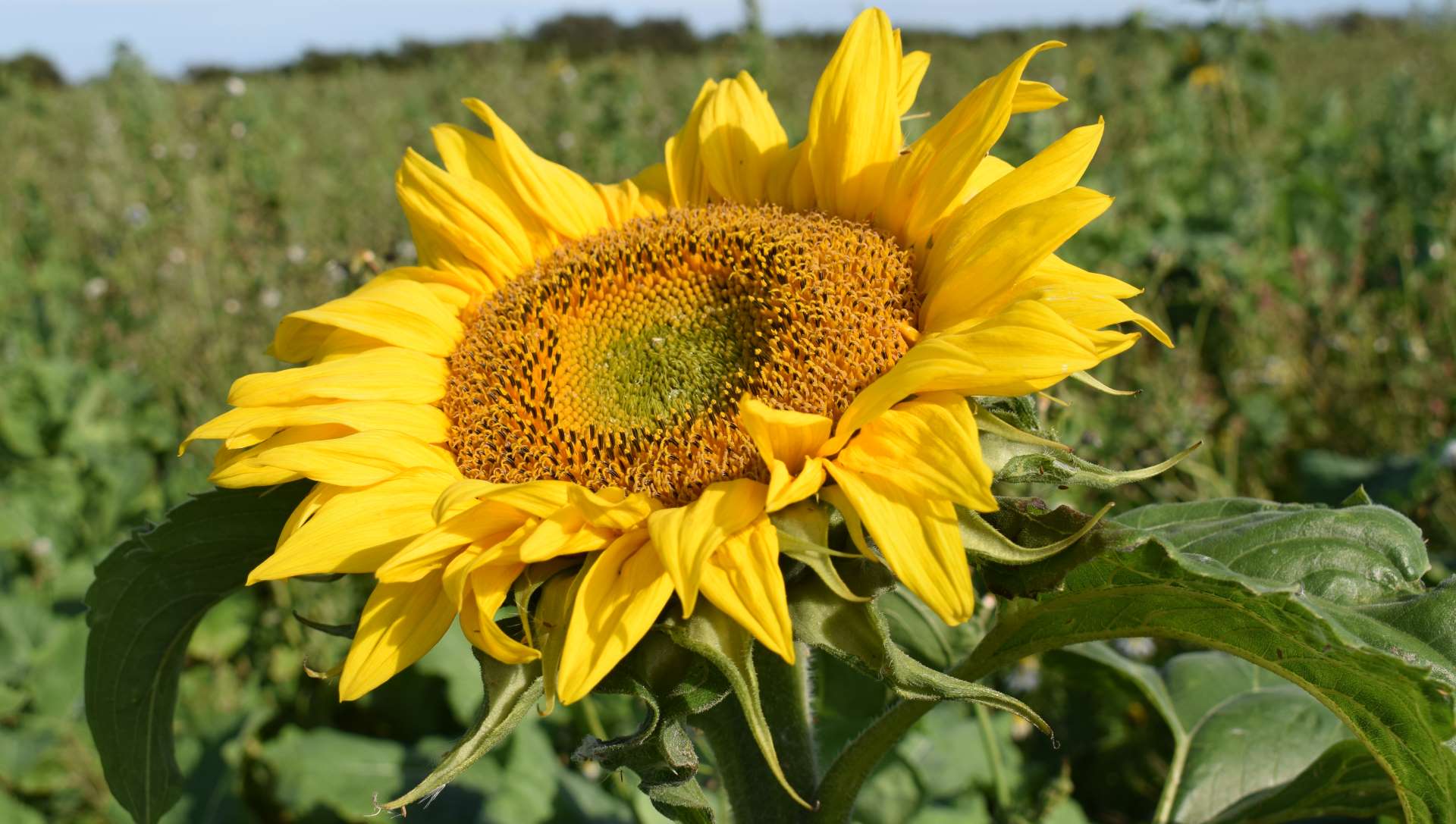
Maintaining and Increasing Farm Wildlife Populations
- Protect, link and enhancing farm wildlife habitats
- Habitat conservation
- England’s Biodiversity 2020 strategy/targets
- Agri-environment schemes and how to access funding for farm businesses
- Principles and delivery mechanisms for aspects of biodiversity/wildlife management
- Wildlife legislation
Habitat Management
- Feeding and habitat requirements of key farmland species and management on farm
- Hedgerow management
Conservation Management
- Identifying key habitats/species and management for the protection of these
- Utilisation of agri-environment schemes and how to fit within constraints of farm business
- Beetle banks, skylark plots and conservation headlands
- Good Agricultural and Environmental Conditions (GAECs) explained in language that is understood
- Ecological Focus Areas (EFAs)
Farming Systems and Legislation
- Implementation of Integrated Pest Management (IPM), Integrated Crop Management (ICM) and Integrated Farm Management (IFM)
- NVZs
- Farm exemptions
- Agricultural/hazardous waste application and associated legislation
- Manures and slurry
- Spreading of waste on land
Farming Standards
- Promoting sustainable practices and keeping within the law to make a success of your business
- Linking Environment and Farming (LEAF)
- Catchment Sensitive Farming (CSF)
Leisure Activities
- Public rights of way and CRoW Act
- Control of vermin and Campaign for Responsible Rodenticide Use (CRRU)
- Code of practice for shooting and game management